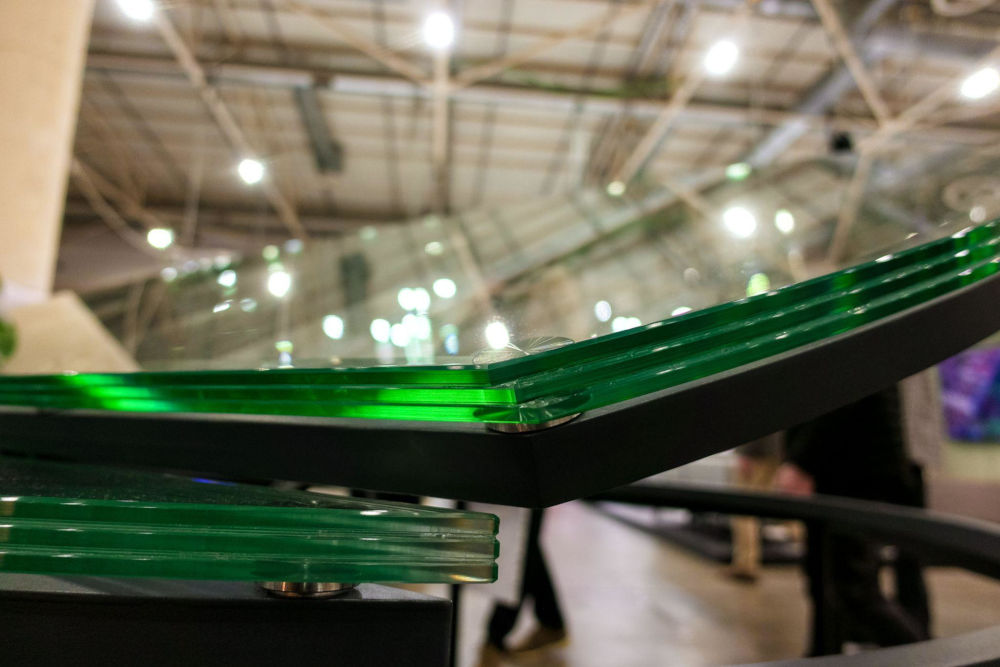

Triple-pane windows are a sealed insulating glass unit with three panes of glass and two gas-filled cavities between them. The extra pane and the second cavity keep the room-side glass warmer through an Edmonton winter than a comparable two-pane unit of the same size. That warmer surface is why people sit closer to the window, why edge frost is less common, and why street noise is quieter when the sash actually seals.
The glass is only the visible part. Low-E coatings, argon fill, a warm-edge spacer, and the seal that holds the gas in the cavities do as much work as the third pane. A triple-pane unit with a metal spacer and lost gas can feel colder than a well-built double-pane window with Low-E and argon. Pane count is a starting label, not the whole specification.
This guide explains what triple-pane windows are, how the unit is built, why Edmonton houses keep asking about them, which walls usually get the extra glass, how Weather Pro budgets the step from double pane to triple pane, and what a written quote must include before you compare two numbers. It is a definition and buying guide for homeowners in Edmonton. It is not a Canada-wide double-versus-triple scorecard.
Key Takeaways
- Triple-pane windows use three panes and two sealed cavities, not three sheets of glass taped together.
- The interior pane stays warmer when the gas fill, Low-E coating, and spacer are specified, not only when the brochure says triple.
- Edmonton replacement jobs often put triple pane on north and west walls and on large living-room glass, and keep a quality double-pane package on smaller, sheltered, or sunny south openings.
- Across Weather Pro’s published range, triple pane adds about 20 percent to the same window, with a spread from 9 percent to 50 percent on the largest sliders.
- Fog between the panes is a failed sealed unit. Moisture on the room side of the glass is humidity meeting a cold surface.
- A quote that lists only “triple pane” is incomplete. Ask for gas fill, Low-E, spacer, U-factor or Energy Rating, and whether the number is installed.
- Installation and the frame-to-wall seal still decide whether the glass you paid for actually performs in January.
What are triple-pane windows, and how are they built
A triple-pane window is an insulating glass unit, often called an IGU, set into a frame. Three panes sit in a stack. Two spacers hold them apart. Two cavities between the panes are filled with an inert gas, usually argon in Canadian residential work, and the perimeter is sealed so that gas stays put. Heat that would otherwise race through a single sheet of glass has to cross two still-gas chambers instead of one.
Think of the unit as a sandwich, not as thicker glass. Insulation comes from the cavities and from coatings that bounce heat. A thin, well-sealed triple-pane unit can outperform a leaky 1990s double-pane unit. Age, failed seals, and a metal spacer at the sightline matter as much as the count of panes.
Weather Pro manufactures vinyl replacement windows in Canada with double-glazed and triple-glazed packages on the same family of vinyl profiles. The glass package is the choice you make opening by opening. You specify a different IGU in a measured unit that Weather Pro’s own crews install.
Three panes, two cavities, one sealed edge
Start at the outside of the house and walk inward. Each cavity is a still layer. On a cold night, the interior surface does not drop as far toward the outdoor temperature, so the room feels less like it is sitting next to a refrigerator door.
- Exterior pane, facing the weather.
- First sealed cavity, usually argon.
- Middle pane.
- Second sealed cavity.
- Interior pane, facing the room.
If the sealed edge fails, the cavities take on ordinary air and then fog you cannot wipe. That fog sits between the panes, not on the room side. On a vinyl replacement window, the usual path is a new unit built to the opening, not a Saturday glass swap. A casement or tilt-and-turn still has to lock. A slider still has to meet the weatherstrip. Extra cavities do nothing if the room exchanges air around the sash.
Triple pane and triple glazed are the same product family
Homeowners type both phrases. Triple pane and triple glazed describe three layers of glass with two insulating spaces. Natural Resources Canada’s 2025 ENERGY STAR fenestration labels even use “triple glaze” as the example wording for the number of glazing layers. Ask what is in the cavities and what coating is on which surface.
Quad-glazed units exist in specialty work. They are not Weather Pro’s published residential glass offering. Laminated glass is also different: two sheets bonded with a plastic interlayer can sit inside a double-pane or triple-pane IGU. Laminate is about safety and, in some builds, sound. It is not a third insulating cavity on its own. For most Edmonton replacements, the live choice is double pane with Low-E and argon, or triple pane with the same family of coatings and fills.
What you can actually see at the sightline
Stand inside on a bright day and look at the glass edge. You should see a spacer, not a wide silver metal bar. Weather Pro uses SuperSpacer Premium Plus, a warm-edge foam spacer, on the windows it manufactures. A faint Low-E tint is a coating, not dirt. Grilles between the panes are a design choice, not insulation.
Fog, oil film, or a cloudy patch you cannot reach with a cloth means the seal has let go. Winter moisture on the room side wipes off and often tracks indoor humidity. The moisture location is the diagnosis.
Why Edmonton houses keep asking about the third pane
Edmonton replacement work is heating work. The City of Edmonton’s Change Homes For Climate Guide puts windows in the building envelope and says energy-efficient windows, doors, and skylights can reduce your home energy costs. The same guide puts airtightness, insulation, and ventilation beside glass. A triple-pane IGU in a leaky frame-to-wall joint still dumps heat around the unit.
Houses here sit through long stretches below freezing. North walls see little winter sun. West walls take wind. Large picture walls in older bungalows put a lot of glass on those elevations. That is why Edmonton homeowners often specify triple-pane vinyl windows: the interior glass spends more of the year with outdoor air well below indoor air. Weather Pro’s Edmonton shop is at 14920 128 Ave NW. We do residential replacements on existing homes, using factory-direct vinyl units and in-house crews. A 1950s 1.5-storey with original wood sashes is a different job than a 2010s house that already has Low-E double pane.
The City of Edmonton also defines Solar Heat Gain Coefficient, SHGC, as the share of the sun’s heat that passes through the window, from 0 to 1. A window with an SHGC of 0.3 lets 30 percent of that heat through. A high SHGC helps harvest winter sun on a south wall. Stacking Low-E coatings on every surface of a triple-pane unit can cut that free heat. A mixed house, triple on the cold walls and a chosen double-pane package on the sunny wall, is a plan, not a compromise.
Street noise is a second reason. Extra mass and extra cavities help. They do not replace a sash that rattles. Tell the visitor whether the job is trucks at 5 a.m. or a cold dining chair in January.
Low-E, argon, and the spacer: the package behind the pane counts
Pane count without a package is marketing. Coatings control radiation. Gas fill slows heat in the cavity. The spacer and dual seal keep the system together. Weather Pro’s standard glass package is double pane with Low-E and argon. Triple pane adds the third pane and the second sealed cavity. SuperSpacer Premium Plus and the Quad Seal System are the named edge details on the windows the company manufactures.
NRCan’s August 2025 ENERGY STAR labelling rules for fenestration sold in Canada require a temporary label on Canadian-certified models that names the number of glazing layers (example: triple glaze), the gas fill and how many cavities are filled, and the Low-E coating and surface numbers if a coating is used. The same label carries U-factor, SHGC, Energy Rating, and visible transmittance. You need those numbers on both quotes if you are comparing two triple-pane prices. ENERGY STAR certification is a whole-product test, not a pane-count badge.
Low-E is a coating, not a third pane
Low-emissivity glass has a thin metal-oxide coating that reflects long-wave heat. In winter, more furnace heat stays in the room. In summer, it blocks some incoming heat. The coating sits on a numbered surface. Surface 1 is outdoors. Surface 6 is the room side of a triple-pane stack. One Low-E coat is not the same as two. Two coats can make a south room gloomier in January. Ask which surfaces are coated. A slight hue is normal. A patchy bloom or a cloudy corner between panes is not.
Argon fill is the usual Canadian cavity gas
Argon is denser than air and insulates better in the cavity widths used in residential IGUs. Weather Pro’s published glass language uses argon with Low-E. Both cavities should be filled if the quote claims argon. NRCan’s label example is “argon/air filled, both cavities.” A mix of argon in one cavity and air in the other is a different product.
Krypton appears in some thinner high-performance cavities. It is not the fill Weather Pro names in its standard product language. If another quote lists krypton, compare price and the certified U-factor. You cannot see argon. You see fog, or a house that feels colder at the glass than it did in year one. That is why the spacer and seal are named, not left as an unnamed metal bar.
Warm-edge spacers and why the edge frosts first
The sightline is where indoor air meets the coldest glass. Metal spacers conduct. Foam warm-edge spacers conduct less. SuperSpacer Premium Plus is the warm-edge spacer Weather Pro uses. Frost at the bottom corners of an otherwise clear pane is often an edge problem, an old aluminum spacer, or a failed seal. The Quad Seal System is the company’s named edge-seal approach. Spacer type belongs next to pane count on the quote.
“Three panes without a named gas fill, a Low-E surface, and a warm-edge spacer is just three sheets of glass in a cold frame. The quote has to name the package, or you are comparing pictures, not windows,” says Chris Perry, Project Manager at Weather Pro.
When triple pane helps an Edmonton house, and when double pane still fits
You do not have to put the same IGU in every hole. Weather Pro’s pricing page says many homeowners specify triple pane for north- and west-facing elevations and double pane elsewhere. That mixed plan captures most of the comfort gain without paying the triple-pane step on every small bathroom slider.
Walk the house in your head on a January evening. Rooms where you avoid the chair by the window, bedrooms that frost at the corners, and the big west picture wall are first. Small openings on a sheltered south wall, with a modern Low-E argon double-pane unit, are often last. A casement that locks holds a triple-pane IGU the way the lab tested it. A tired slider leaks around the glass no matter how many panes you buy.
North walls, west walls, and rooms you actually sit in
North glass gets little winter sun. Triple pane is the usual Edmonton call there, especially on bedrooms and living rooms. West glass sees wind and a low sun. Confirm SHGC if that room already overheats in summer. Large lites lose more heat because there is more centre-of-glass area. Picture and fixed casement triple pane runs $580 to $2,520 installed on the published list, depending on size. Noise-sensitive rooms get a second vote. Tell the estimator which rooms must stay quiet.
Where a quality double-pane package still earns its keep
Double pane with Low-E and argon is Weather Pro’s standard glass package. On a south opening you want to harvest winter sun, a higher-SHGC double-pane unit can keep the room more comfortable than a heavily coated triple-pane stack. On a small, sheltered opening, the premium buys little surface area. Replacing the worst ten openings with a complete double-pane package usually beats replacing four in triple pane and leaving six failed units in place. Basement hoppers and tiny bathroom sliders are poor places to spend the premium unless those rooms frost hard.
“On an Edmonton house, I start with the north and west walls and the big living-room glass. That is where the interior pane has to stay warm. South bedrooms with a decent double-pane Low-E unit can wait if the budget is the constraint,” says Chris Perry, Project Manager at Weather Pro.
What triple-pane windows cost on a Weather Pro quote
Weather Pro publishes installed budgeting ranges on its window replacement cost page. Those figures include the unit built to the measured opening, removal, insulation and sealing, interior and exterior finishing, cleanup, haul-away, and warranty registration. They are examples for planning, not a contract price. White is the standard finish. Colour and laminate are an upcharge, but there’s no published dollar amount. Bay, bow, end-vent slider, and specialty shapes are quoted on site.
List prices are the same across the provinces Weather Pro serves. Specifications usually drive the price. Triple pane adds about 20 percent to the same window, from 9 percent to 50 percent. The high end is the largest slider. On a medium casement, the published step is $650 to $960 for double pane versus $780 to $1,150 for triple pane. Operating vinyl, most jobs: $520 to $1,560 installed in double pane, $620 to $1,800 in triple pane. Picture and fixed units start at $480. A large custom fixed triple-pane unit reaches $2,520.
Quoted separately when they apply: rot or structural repair, changing the opening, new interior trim on a full-frame job, and access equipment. Size bands on that page are small (up to 24 by 36 in), medium (up to 36 by 60 in), and large (over 36 by 60 in).
| Style | Double pane, installed | Triple pane, installed |
|---|---|---|
| Casement | $570 to $1,110 | $680 to $1,330 |
| Awning | $590 to $1,160 | $710 to $1,390 |
| Single hung | $520 to $1,090 | $620 to $1,310 |
| Single slider | $540 to $1,140 | $650 to $1,370 |
| Picture and fixed casement | $480 to $2,100 | $580 to $2,520 |
| Tilt and turn | $800 to $1,560 | $930 to $1,800 |
Those rows are the full published span from the smallest double-pane unit to the largest triple-pane unit in that style. A medium opening sits inside the span. A house specified mostly in triple-pane will sit above whole-home examples that were built from medium double-pane operating styles.
Retrofit keeps a sound existing frame. Full frame goes back to the rough opening when the old frame is wet, racked, or undersized. Triple-pane glass in a rotten wood frame is wasted money. The estimator should call the method per opening after looking at the sill.
Mistakes homeowners make when they shop by pane count
Two quotes can both say triple and still differ on spacer, gas, Low-E surfaces, and whether the price is installed. Pane count on a brochure does not heat a room that still has fogged 1990s glass. A loose slider leaks around a high-performance IGU. A south wall stacked with Low-E can lose winter sun you were using as free heat. Tighter windows can raise indoor humidity in the first winter; wipeable moisture on the room side is not fog between the panes. Large triple-pane picture units are heavy. Weather Pro installs with its own crews.
Skip these traps when you plan the visit:
- Comparing a supply-only triple-pane price with an installed double-pane price.
- Ordering triple pane into a frame the estimator has not called structurally sound.
- Skipping spacer and gas fill on the written estimate.
- Using one glass package on a north bedroom and a full-sun south sunroom without looking at SHGC.
- Treating condensation on the room side as a warranty seal failure.
What a written quote should list before you compare two triple-pane numbers
A usable quote is a parts list. If you cannot tick the items below, you are not comparing the same window.
Ask the estimator to write, in words:
- Style and operation, including hinge side on casements.
- Width and height, and whether the figure is the existing opening or the new unit size.
- Double-pane or triple-pane, with the number of cavities filled.
- Gas fill, named, for each cavity.
- Low-E: yes or no, and which surfaces, if the factory can state them.
- Spacer type. For Weather Pro, SuperSpacer Premium Plus is the named warm-edge spacer.
- U-factor, SHGC, Energy Rating, and visible transmittance if the model is labelled that way.
- Retrofit or full frame, per opening.
- What the installed price includes, and what is extra if rot appears.
- Colour: white standard, or a priced laminate.
- Warranty registration on install day.
NRCan’s 2025 label cites an example test standard, CSA A440.2-19. Weather Pro states CSA, NAFS, and ENERGY STAR certification at company level. This article does not invent a series U-factor. Ask for the numbers for the unit on your quote. Bring a sketch. Mark north, the rooms that frost, and the rooms that must stay quiet.
How triple-pane glass sits in a vinyl replacement in Edmonton
Glass rides in a frame. You can order a casement in double-pane or triple-pane. The hardware still has to carry the sash. Casements and awnings compress shut, which suits exposed Edmonton walls. Picture units have no operating gap, which is why a large north picture wall is a strong triple-pane candidate if the wall does not need to vent.
Window replacement in Edmonton is a measured job on an existing house: measurement, product demonstration, then a written estimate. Crews are in-house, not subcontractors. Most replacement projects are completed in one day, opening by opening. Retrofit is right when the old frame is square and dry. Full frame is right when it is not. Triple-pane glass does not change that fork.
If you want the edge technology in writing, Weather Pro’s SuperSpacer Premium Plus page is the spacer conversation. Colour, grids, and hardware finishes are appearance. Do not confuse a black exterior with a better U-factor.
Triple pane is a glass package, not a slogan for Edmonton homes
Triple-pane windows are three panes, two cavities, and a sealed edge. In Edmonton, they earn their keep on cold walls, large glass, and rooms where the chair by the window has been a winter write-off. They do not replace a tight install, a working lock, or a Low-E and argon specification you can read on a label.
Double pane with Low-E and argon remains the standard package for openings that do not need the extra cavity. A mixed house is a plan, not a half measure. Cost follows style, size, and glass; use Weather Pro’s published installed ranges as a budget, then a free in-home measurement for the real number.
If you want the openings measured, the elevations marked, and the glass written per wall, get a free in-home estimate. Bring last winter’s notes. They tell the visit which panes have to work harder.
Frequently Asked Questions
What is a triple-pane window?
It is a sealed insulating glass unit with three panes of glass and two gas-filled spaces between them. The extra pane and second cavity slow heat loss and keep the room-side glass warmer than a similar two-pane unit. Low-E coatings, argon fill, and a warm-edge spacer make up a complete package. “Triple pane” on its own only names the layer count.
Are triple-pane windows a good choice in Edmonton?
They are a strong choice on north and west walls, on large picture glass, and in rooms that feel cold next to the window. Edmonton replacement work is heating work, and the extra cavity is built for that. A quality double-pane Low-E argon unit still fits smaller, sheltered, or sunny south openings. The house, not the slogan, decides the mix.
Are triple pane windows a good investment in Canada?
It depends on climate, wall orientation, the windows you are replacing, and whether the price is a complete installed unit. In a heating-dominated Prairie city, the comfort case is clearer than in a mild coastal market. This article does not invent a payback year. Compare certified U-factor and Energy Rating, then compare installed prices for the same style and size.
How much more do triple-pane windows cost than double-pane?
On Weather Pro’s published list, triple pane adds about 20 percent on most windows, ranging from 9 percent to 50 percent by style and size. A medium casement is $650 to $960 installed in double pane and $780 to $1,150 in triple pane. Those figures are budgeting examples from the pricing page, not a quote. Measurement sets the number.
Do triple pane and triple glazed mean the same thing?
Yes in ordinary shopping language. Both mean three layers of glass with two insulating spaces. NRCan’s 2025 ENERGY STAR label example even says “triple glaze” for the glazing-layer count. Ask what fills the cavities and whether it has Low-E. Do not pay extra for the word “glazed” if the IGU is the same.
Will triple-pane glass stop condensation?
It reduces room-side condensation because the interior glass stays warmer, so indoor air can hold more humidity before it hits dew point on that surface. It does not fix a house that runs a humidifier too high, a bathroom with no fan, or a failed IGU. Moisture between the panes is a seal failure. Moisture you can wipe on the room side is humidity meeting glass.
What should I look for on the ENERGY STAR label?
On Canadian-certified models, the 2025 temporary label should list U-factor, SHGC, Energy Rating, visible transmittance, frame type, operator type, glazing layers, gas fill and how many cavities are filled, and Low-E surface information when a coating is used. Match that sticker to the quote. Certification is for the tested model, installed as designed.
Can I mix triple pane and double pane in one house?
Yes. Many Edmonton jobs put triple pane on the cold elevations and a standard Low-E argon double-pane package on the rest. Keep the vinyl frame family the same so the street elevation still looks like one house. Write the mix on the estimate by opening, not as a single word for the whole job.