Storm windows are secondary glazed panels installed over an existing window to create an extra layer of still air that reduces drafts, cuts heat loss, and can quiet street noise, which makes them most useful on older single-pane or leaky windows that are otherwise structurally sound.
Canadian homes are built to keep the cold out, and they do it well. Tighter insulation, better weatherstripping, and energy-efficient construction have made modern homes dramatically more comfortable and cheaper to heat. The trade-off is one most homeowners never see coming: when you seal a building against the outdoors, you also seal in everything that generates pollution inside.
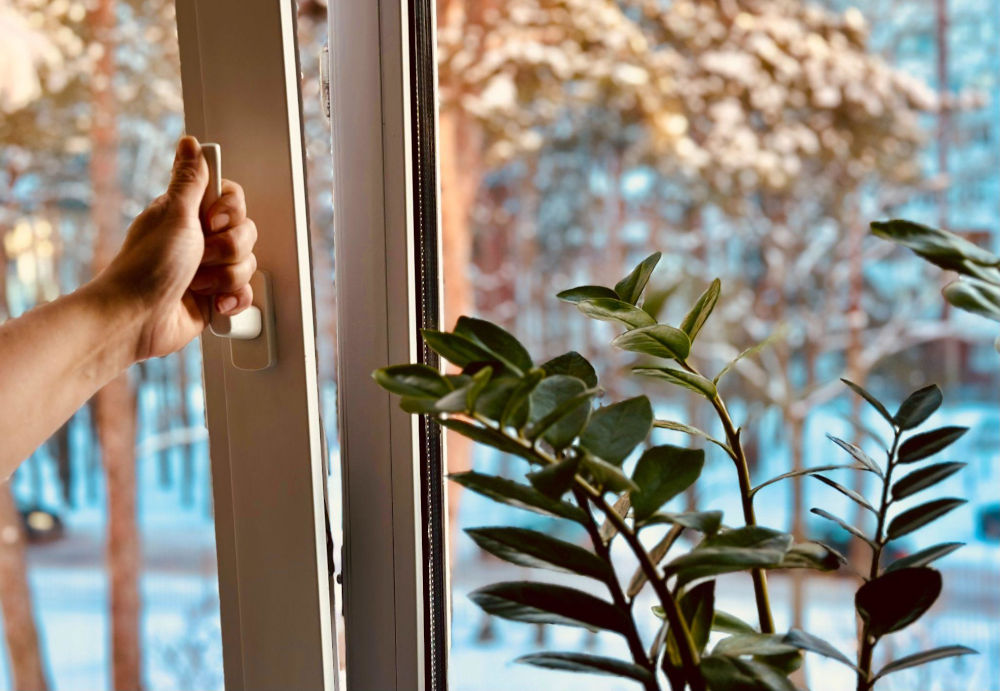
Winterizing your windows for a Canadian winter means sealing air leaks, restoring weatherstripping and caulking, controlling indoor humidity that drives condensation, and knowing when a temporary kit is enough versus when a failed sealed unit needs replacement.
Choose screens based on three things, in this order: what they actually have to keep out where you live, where the screen mounts on the window style you own, and how much airflow and view you are prepared to trade for a tighter weave. In Alberta, that usually means a standard weave on most openings, a finer weave only where insect pressure actually warrants it, and a tight, well-seated frame everywhere.
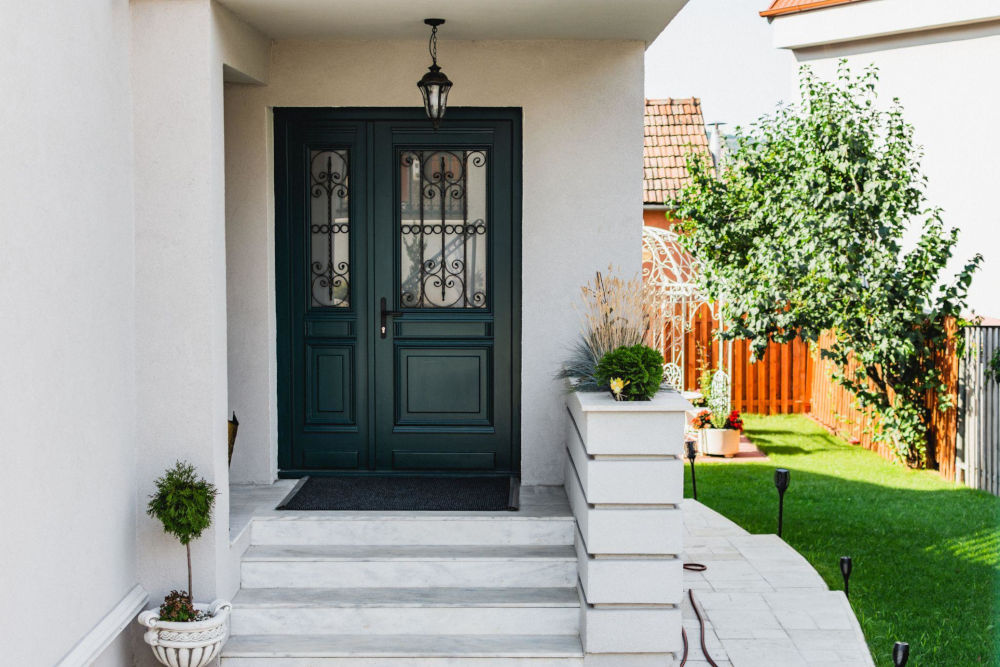
A new front door in Canada typically costs $2,000 to $6,000+ installed for a standard single-entry unit, while basic steel replacements can start at $1,300 to $2,000, and premium fibreglass systems with sidelights or custom glass can run well past $7,000, depending on the opening and finish.
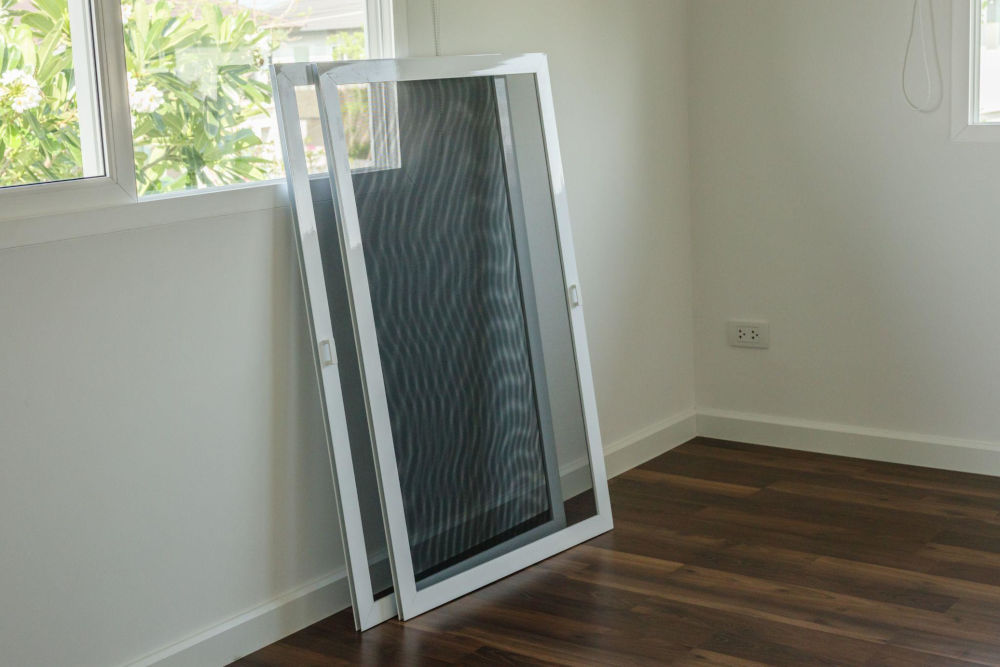
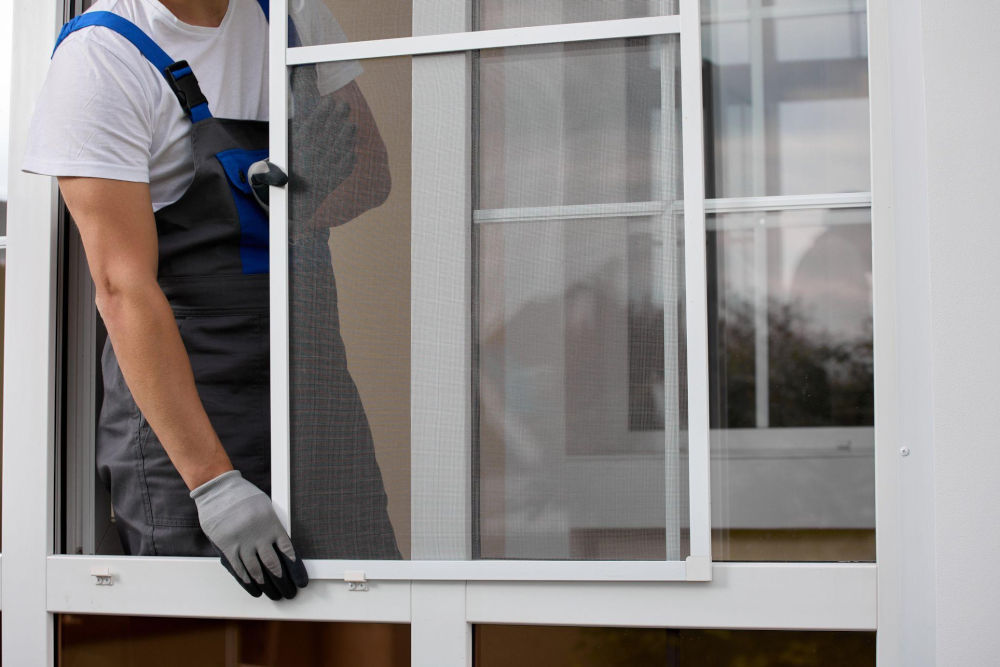
Window screens are one of the most overlooked components of a well-maintained home. They keep insects out, allow fresh air in, and protect your interior from debris, yet most homeowners only notice them when they fail. A torn mesh, a bent frame, or a screen that no longer fits properly can compromise comfort and invite pest problems through the warmer months.
Choose the company based on four things: who actually makes and stands behind the product, who physically installs it, what the written quote itemizes, and what the warranty covers for labour and the window. Those four answers separate a company that will still be reachable in year eight from one that quoted a low number and left the finishing, the insulation, and the service call for you to sort out later.
You can install a replacement window yourself when the opening is sound, the new unit is the same size, the work is safely accessible, and the manufacturer permits homeowner installation. If the project involves structural changes, hidden water damage, a heavy second-storey unit, or a full frame replacement that must reconnect the wall drainage system, professional installation is usually the safer and less expensive decision over the life of the window.
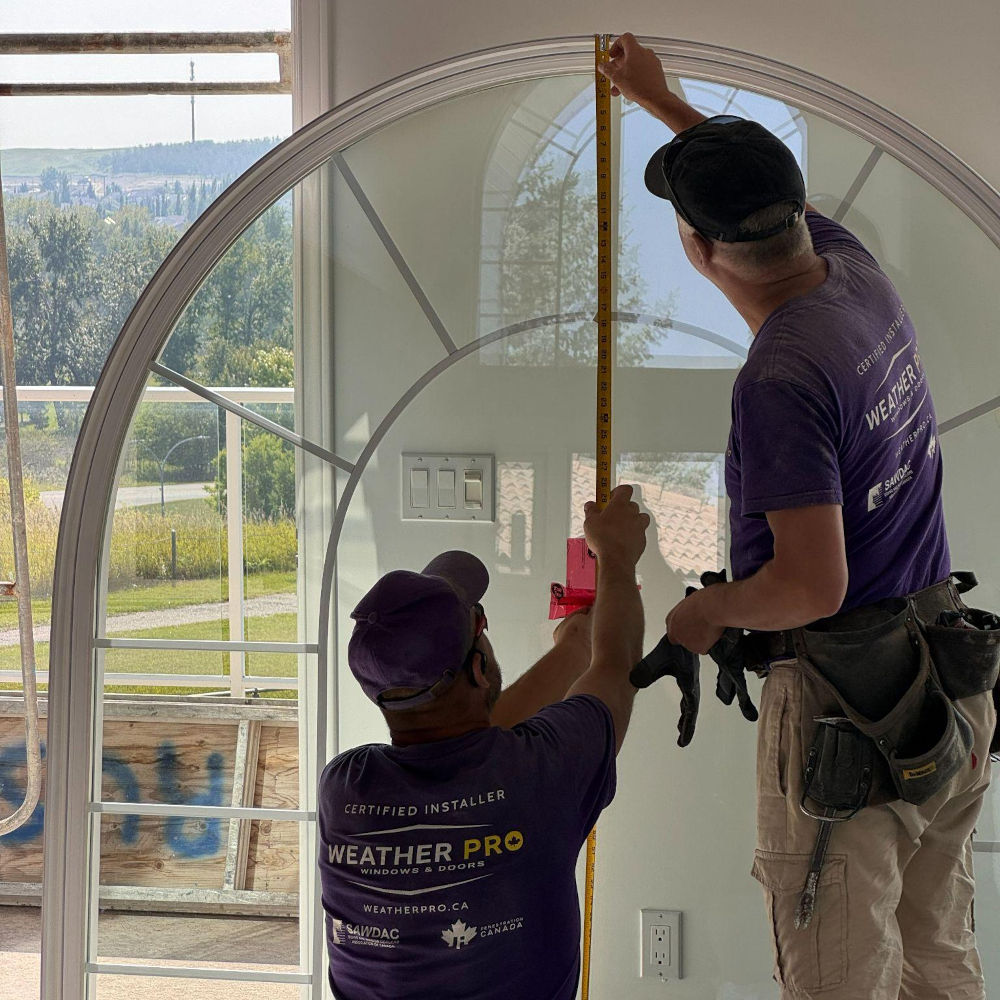
Getting window measurements right the first time saves you from costly re-orders, installation delays, and gaps that let cold Canadian air straight into your home. Whether you're planning a full replacement project or gathering numbers before calling a specialist, accurate measurements are the foundation of every successful window installation.
For most Alberta homeowners replacing windows in 2026, vinyl windows are the better choice: they deliver equivalent or better energy performance, qualify for ENERGY STAR certification, and cost 30 to 50 percent less than comparable Fibreglass units. Fibreglass windows are a genuinely superior in some respects, particularly in dimensional stability and long-term durability during extreme temperature swings, but those advantages rarely justify the premium price for a typical residential project in Calgary or Edmonton.