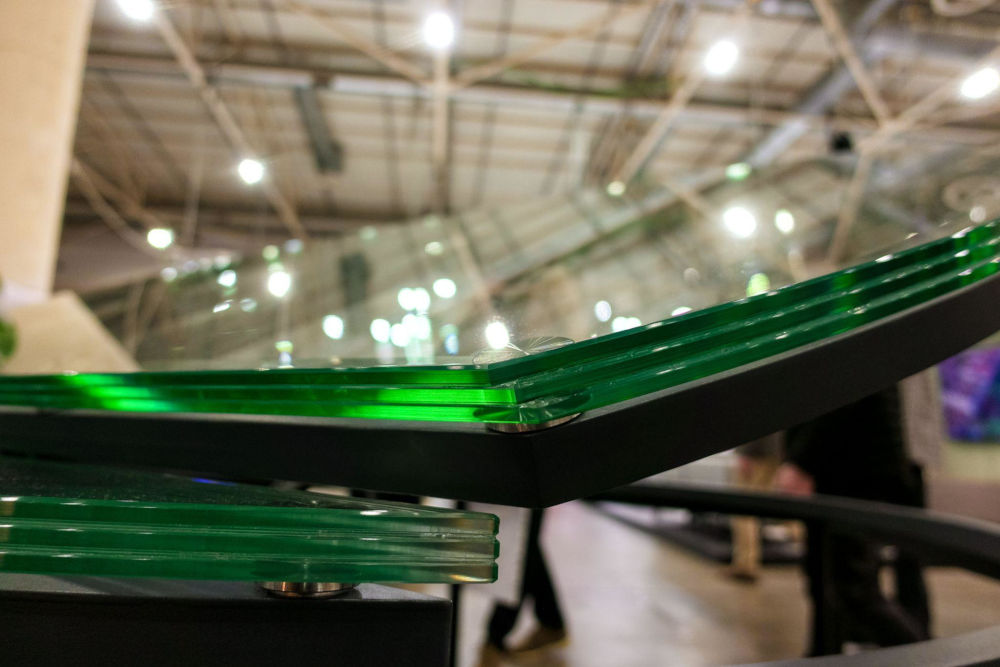
Triple-pane windows are a sealed insulating glass unit with three panes of glass and two gas-filled cavities between them. The extra pane and the second cavity keep the room-side glass warmer through an Edmonton winter than a comparable two-pane unit of the same size.
The phrase is descriptive, not technical. No certification is called extreme cold, and no product category has fixed specifications. What exists is a set of components that together keep the interior glass surface warm enough to stay dry and comfortable at minus 30.
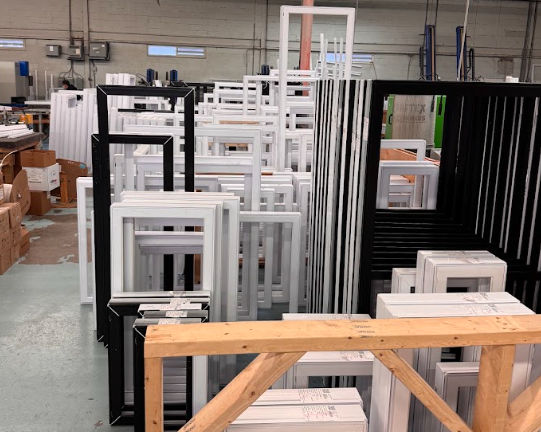
Factory direct windows are windows bought straight from the company that manufactures them, with no distributor, dealer or retail contractor in the supply chain. Whether that structure saves money and simplifies a project depends entirely on how much the company actually controls.
A window energy rating is a third-party verified score that describes the energy performance of a complete window unit by combining conductive heat loss (U-factor), solar heat gain (SHGC) and air leakage into one set of comparable numbers. The score does not describe the glass alone.
The difference shows up in four places: how many businesses add a margin to your price, who measures and installs, who you call when a seal fails, and how closely each window is sized to your actual openings.
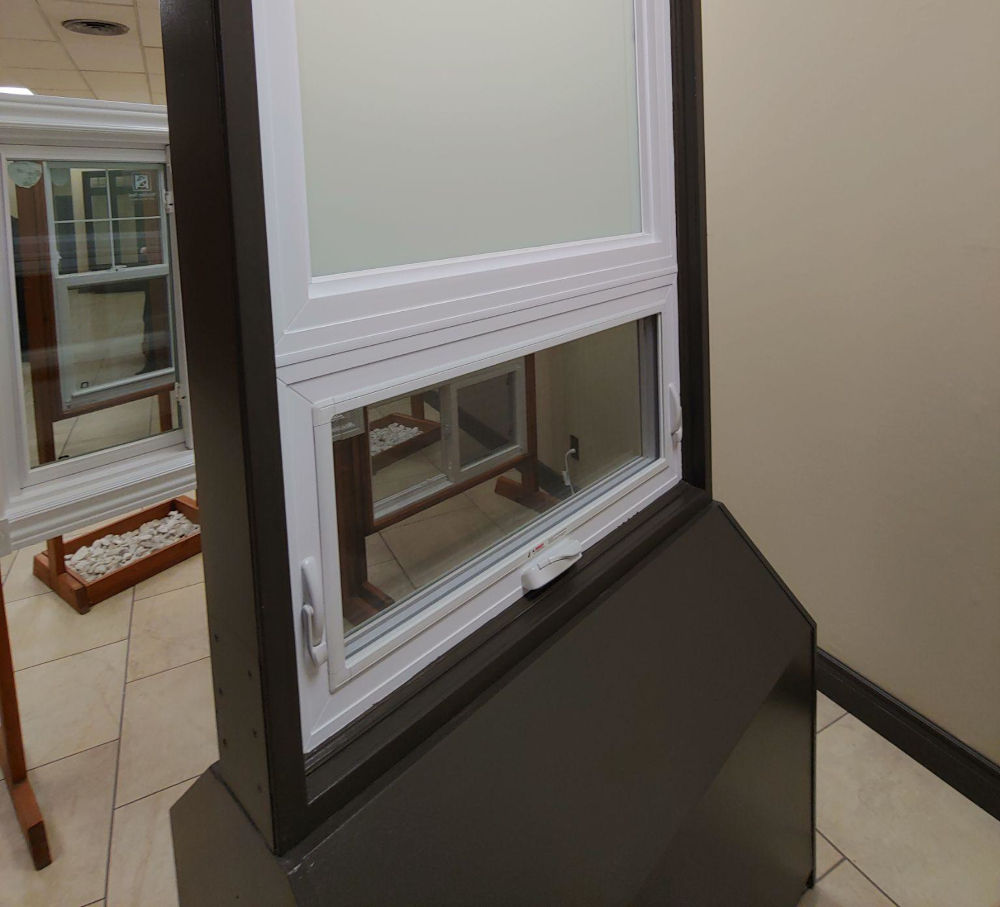
A window replacement quote is a written price proposal that identifies every opening by location, size, and style; specifies the product, glass package, and installation scope; and states the total before any work starts.
Storm windows are secondary glazed panels installed over an existing window to create an extra layer of still air that reduces drafts, cuts heat loss, and can quiet street noise, which makes them most useful on older single-pane or leaky windows that are otherwise structurally sound.
Canadian homes are built to keep the cold out, and they do it well. The trade-off is one most homeowners never see coming: when you seal a building against the outdoors, you also seal in everything that generates pollution inside.
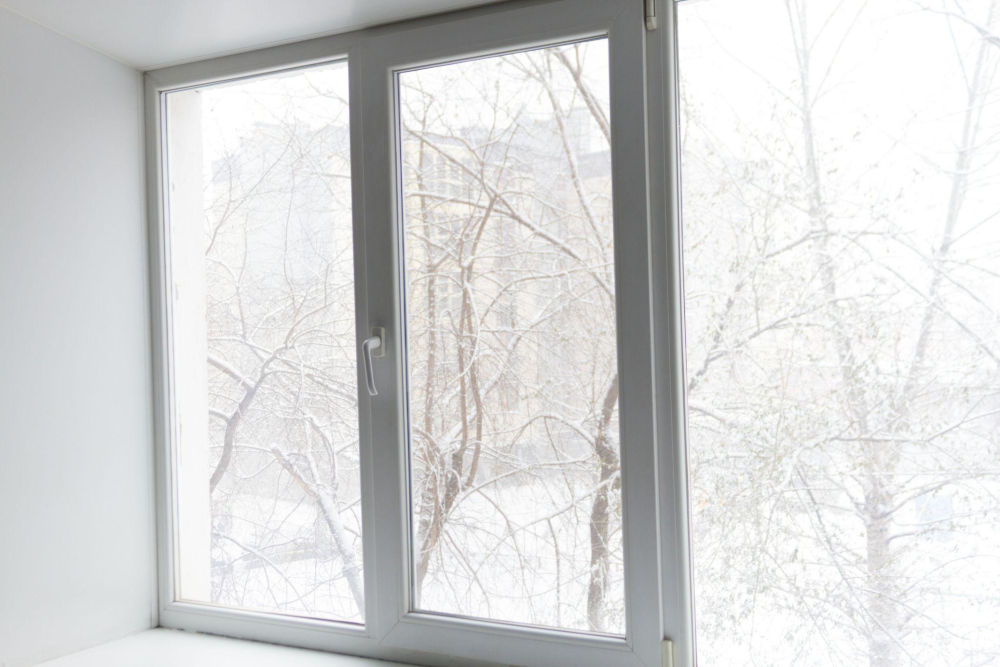
Winterizing your windows for a Canadian winter means sealing air leaks, restoring weatherstripping and caulking, controlling indoor humidity that drives condensation, and knowing when a temporary kit is enough versus when a failed sealed unit needs replacement.