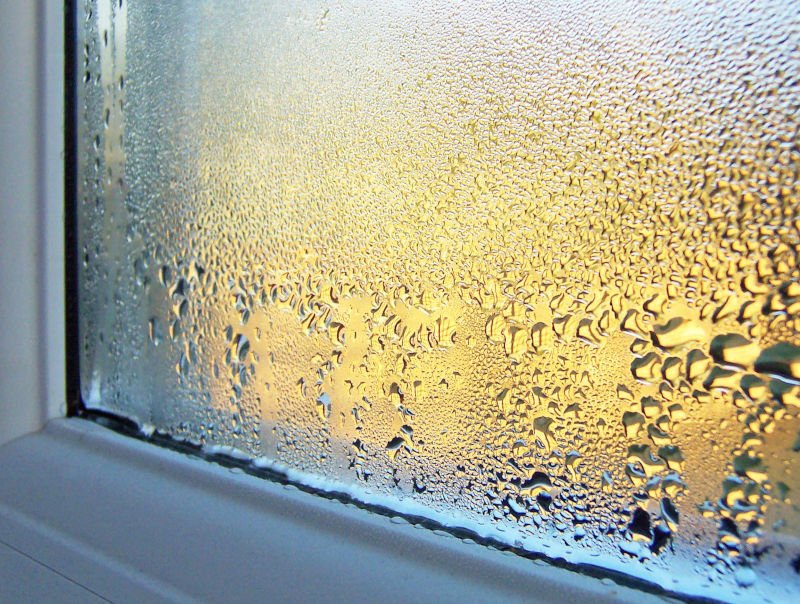

Window condensation occurs when warm, moist indoor air comes into contact with the cold surface of your glass, cools below its dew point, and releases moisture as water droplets or frost. In a Calgary winter, when it can be -25°C outside and comfortable inside, your windows are often the coldest surface in the room, so they are the first place that hidden humidity shows up. The good news is that light condensation is usually a humidity problem you can control, not a sign that your windows are broken. You stop it by lowering indoor humidity to match the outdoor temperature, improving airflow and ventilation, and, where the glass itself is failing, upgrading to warmer, better sealed windows.
This guide explains exactly why Calgary homes fog up, how to tell harmless condensation from a real warning sign, the indoor humidity targets recommended for Canadian winters, and a clear step-by-step plan to keep your windows clear.
Key Takeaways
- Condensation forms when warm indoor air meets cold glass and drops below its dew point. It is a moisture and temperature problem, not always a window defect.
- Health Canada recommends keeping indoor relative humidity between 30 and 35 percent in winter, and during extreme cold in Calgary, you may need to go lower to keep glass clear.
- Condensation on the inside of the glass points to high indoor humidity. Condensation between the panes points to a failed sealed unit that needs replacing.
- The biggest everyday sources of moisture are showers, cooking, drying laundry indoors, humidifiers, and too many plants, all made worse by poor ventilation.
- Most cases are fixed by lowering humidity, running bathroom and kitchen fans, improving air circulation, and using an HRV before any window work is needed.
- Older, single-pane, or leaky windows have cold interior glass that condenses easily. Modern triple-pane units stay warmer and resist condensation in Alberta winters.
What Window Condensation Actually Is
Air always holds some water in the form of invisible vapour. Warm air holds more of it than cold air. Relative humidity is simply how full the air is compared with the most it could hold at that temperature. When warm indoor air drifts against a cold pane, the air next to the glass cools. Cooler air cannot hold as much moisture, so once it passes its dew point, the excess water has nowhere to go and condenses onto surfaces as fog, droplets, or, in a hard Calgary freeze, frost.
This is the same everyday physics you see when a cold drink sweats on a summer table. Your window is the cold drink, and your heated living room is the humid air around it. That is why condensation shows up first on windows: in most Calgary homes, the glass is the coldest indoor surface, especially overnight when the heat dips and the outdoor temperature bottoms out.
The key idea to hold onto is the dew point, which is the temperature at which the air can no longer hold its moisture and begins to release it. Warm, moist air has a high dew point, so it only needs to cool slightly before water condenses. Dry air has a low dew point and can come into contact with a very cold surface without condensing. This is the whole reason humidity control works: when you lower the moisture in your indoor air, you lower its dew point, so the glass has to get much colder before any fog forms. In practice, that often means the difference between a window that streams with water every January morning and one that stays clear.
It also explains why condensation is worse in specific spots. The bottom edge and corners of a window are usually the coldest parts of the glass, because heat escapes fastest there and warm room air reaches them least. That is why frost and water tend to gather along the bottom of the pane first, then creep upward as humidity climbs or the temperature drops.
Why Calgary Homes Are Especially Prone to It
Calgary creates a near-perfect recipe for window condensation for a few local reasons, and understanding them helps you target the fix.
- Deep winter cold. Extended cold snaps near or below -25°C to -30°C make the interior surface of your glass very cold, lowering the humidity at which condensation begins.
- Chinooks and rapid swings. A Chinook can swing the temperature by 15°C or more within hours. That constant expansion and contraction is tough on older seals, and the moving air pressure can push warm indoor air harder against cold glass.
- Tightly sealed modern homes. Newer, well-weatherstripped Calgary homes retain heat efficiently, but they also trap moisture indoors unless ventilation keeps up. The tighter the home, the more deliberate you have to be about removing humidity.
- Dry winter air masks the problem. Calgary winters are dry, so many homeowners run humidifiers for comfort. Set too high, a humidifier is one of the most common hidden causes of foggy windows in the city.
When in the season, condensation is worse
Condensation is not steady through the winter. It tends to spike at two moments. The first is the initial hard freeze of the season, often in November or December, when a home that felt fine in the fall suddenly cannot tolerate its usual humidity level once the glass turns cold. The second is during each deep cold snap, when a run of days near -25°C or colder pushes the interior glass temperature down and reveals humidity that was invisible in milder weather. Chinook periods can bring a brief reprieve, then the return to cold brings the fog straight back. If you notice the pattern, you can get ahead of it by lowering your humidifier a day before a forecast cold snap rather than reacting after the windows have already steamed overnight.
“Condensation tells you something your thermometer cannot. It shows you exactly where your home is losing the battle with the cold, and in Calgary that is almost always at the glass edge and the bottom corners first. After hundreds of assessments across the city, that pattern holds whether the home is ten years old or forty.” — Chris Perry, Project Manager at Weather Pro Windows and Doors
The Three Places Condensation Appears, and What Each One Means
Where the moisture sits on your window tells you almost everything about the cause and the fix. This is the single most useful diagnostic step, so check your windows carefully before doing anything else.
1. On the inside of the glass, facing the room
This is by far the most common type, and it points to high indoor humidity meeting cold glass. It is usually harmless in small amounts on a cold morning, but persistent fogging or running water means the indoor air is carrying more moisture than your windows can handle at that temperature. This is the type you fix by managing humidity and airflow, covered below.
2. On the outside of the glass, facing the yard
Exterior condensation, usually a light dew on a cool morning, is actually a good sign. It means the outer pane is staying cold because the window is insulating so well that indoor heat is not warming the outside glass. It clears on its own as the day warms and needs no action.
3. Between the panes, where you cannot wipe it
Fog or moisture trapped between the panes of a sealed unit is different. It means the seal has failed and the insulating gas has escaped, so the unit can no longer prevent moisture from entering. You cannot fix this by managing humidity. The glass unit, or the window, needs to be replaced. If you see this in several windows, it is worth getting a professional assessment.
The Indoor Humidity Level to Aim For in a Calgary Winter
Because condensation is driven by humidity, the most effective control is to keep your indoor relative humidity within the right range for the outside weather. Health Canada recommends keeping indoor relative humidity below 50 percent in summer and between 30 and 35 percent in winter for comfort, health, and to protect your home. It also notes that when outdoor temperatures are very cold, your house may not tolerate humidity above 30 percent without excessive condensation on windows and other cold surfaces, and that this does not necessarily mean you have a moisture problem, only that you should reduce humidification or increase ventilation on those days.
The window itself plays a role too. Natural Resources Canada explains that energy-efficient windows have less condensation than ordinary models because features such as triple glazing, low-emissivity coatings, an inert gas between the panes, and thermally improved spacer bars keep the interior surface of the glass warmer. A warmer inside surface means the window can tolerate more indoor humidity before it fogs, which is exactly what matters during a Calgary cold snap. Natural Resources Canada also notes that good air circulation near the glass helps minimize condensation.
A simple rule to remember: your winter humidity should follow the outdoor thermometer, not a fixed number on your humidifier dial. As it gets colder outside, lower the humidity inside. A useful practical guide looks like this:
| Outdoor temperature | Suggested maximum indoor humidity |
|---|---|
| -1°C to -12°C | Around 30 to 35 percent |
| -13°C to -18°C | Around 30 percent |
| -19°C to -24°C | Around 25 percent |
| -25°C and colder | 20 to 25 percent |
What Is Adding Moisture to Your Air
If your windows fog up, some part of your daily routine is likely adding more moisture than your ventilation removes. The most common sources in a Calgary home are easy to overlook.
- Showers and baths without running the bathroom exhaust fan long enough.
- Cooking and boiling water without using the kitchen range hood vented to the outside.
- Drying laundry indoors or using a clothes dryer that is not vented outdoors.
- Humidifiers set too high for the outdoor temperature, whether portable or built into the furnace.
- Many houseplants or an aquarium, which release a surprising amount of water vapour.
- Firewood stored indoors, unvented gas appliances, and even a full house of people all add to the load.
None of these are things you need to stop doing. A family has to cook, shower, and breathe. The point is that all of this moisture has to leave the home somewhere, and if ventilation does not carry it outside, it stays in the air until it finds the coldest surface and condenses there. A single long shower can raise the humidity of a whole floor for hours if the bathroom fan is not run long enough afterward. Drying even one load of laundry on an indoor rack releases litres of water into the air. Recognizing which of these is your main contributor is often enough to point you straight at the fix.
How to Stop Window Condensation: A Step-by-Step Plan
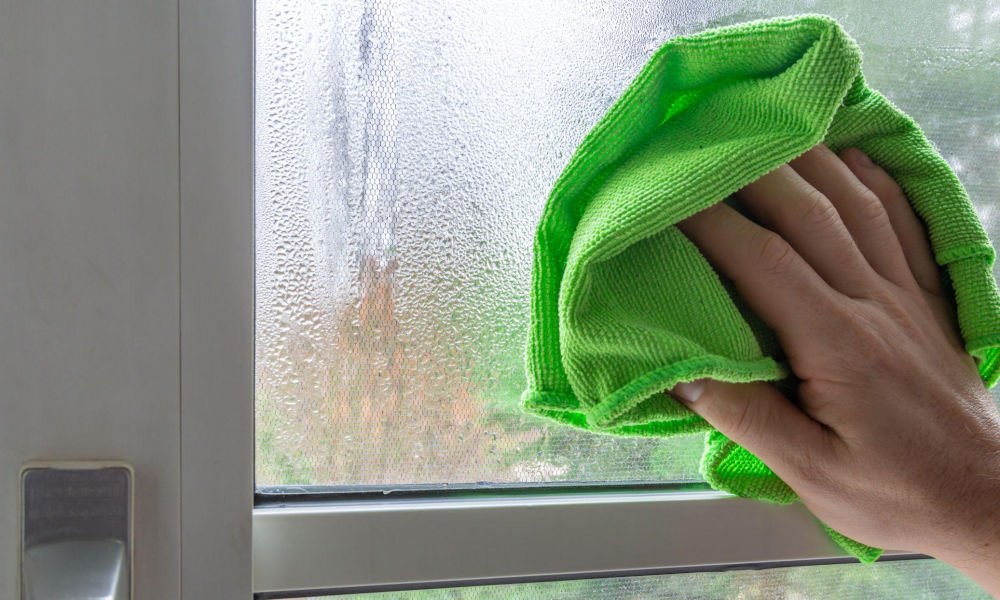
Work through these steps in order. Most Calgary homeowners solve interior condensation with the first four, without touching the windows at all.
- Measure your humidity. Put a hygrometer in the main living area and compare the reading with the temperature guide above. If you are above the suggested level for the day, that is your first fix.
- Turn down the humidifier. On cold days, lower the setting or turn it off. This alone clears many foggy windows within a day.
- Ventilate every moisture source. Run bathroom fans during and for a while after showers, use the kitchen range hood while cooking, and make sure the clothes dryer vents outside.
- Improve air circulation around the glass. Open blinds and curtains during the day, move furniture away from vents, and let warm air reach the windows so the surface stays warmer.
- Add whole-home ventilation. A Heat Recovery Ventilator, or Energy Recovery Ventilator, exchanges stale, humid indoor air for fresh outdoor air while retaining most of the heat, which is ideal for tight Calgary homes.
- Wipe and protect while you adjust. Until humidity is under control, wipe frames and sills daily so standing water does not damage finishes or feed mould.
- Upgrade the windows if the glass stays cold or the seal has failed. If you have single-pane or old, leaky units, or you see moisture between the panes, warmer, modern glass is the permanent fix.
When Condensation Becomes a Real Problem
A little fog on a frigid morning is normal. Persistent moisture is not, because standing water on frames and sills can lead to mould, stained trim, peeling paint, and moisture working into the wall around the opening. As a simple habit, wipe window frames and sills whenever you notice condensation and ease off on humidification, so water does not sit, drip, and give mould a place to grow. If you already see dark spotting around a frame, a musty smell, or frost building at the window edges through the day, treat it as a signal to act rather than wait.
Watch especially for frost forming at the bottom corners and edges of the glass on very cold days, and for any fog trapped inside a sealed unit. The first indicates that the humidity is too high for the weather. The second tells you the window itself has reached the end of its service life.
How Newer Windows Reduce Condensation
You can control humidity all you like, but if the interior surface of your glass is very cold, condensation will keep forming even at lower humidity levels. This is where the window itself matters. Older single-pane and early double-pane units let the interior glass cool, so they fog easily. Modern, well-sealed units keep the interior pane much warmer, which raises the humidity level your home can tolerate before condensation appears. Upgrading to high-performance windows is one of the most reliable ways to prevent condensation in the first place. When older units reach that stage, window replacement in Calgary is often what finally keeps the glass clear through the coldest weeks of winter.
In Calgary’s climate, triple-pane glass with a warm-edge spacer, a Low-E coating, and an insulating gas fill keeps the interior surface warmer than older glass, which is why it resists condensation so well during a cold snap. Compression-sealing styles, such as casement and awning windows, tend to seal tightly against drafts, while fixed picture windows have no operating gaps at all. If you are comparing options across our full range of windows, these styles perform best in Alberta winters for condensation.
Two features do most of the work. The first is the spacer, the strip that separates the panes around the edge of the glass. Older metal spacers conduct cold straight to the inner edge of the pane, which is exactly where condensation starts, whereas a modern warm-edge spacer keeps that edge warmer. The second is the number of panes and what sits between them. A third pane and an insulating gas fill slow the movement of cold from outside to inside, so the room-facing surface stays warmer and drier. The practical result is a higher tolerance: a home with older double-pane glass might fog at 35 percent humidity on a cold night, while the same home with modern triple-pane units stays clear at the same humidity and temperature.
Frame style matters too. Operating windows that seal by compression, where the sash presses tightly against the frame, generally hold back drafts better than styles that slide past a track. That is why casement and awning units are often recommended for the coldest, most exposed openings in a Calgary home, with Picture windows ideal where you want light and view without any ventilation gap. For larger feature openings, bay and bow configurations can be built with the same warm glass package, so they perform just as well in terms of condensation resistance.
The Bottom Line for Calgary Homeowners
Window condensation in Calgary is, in most homes, a manageable humidity issue rather than a broken window. It appears that your glass is the coldest surface in the room, and your indoor air is carrying more moisture than it can tolerate. The fix follows a clear order: measure your humidity, bring it down to match the outside temperature, ventilate every source of moisture, and keep warm air moving across the glass. Do that, and the fog on the inside of your windows usually disappears.
Two situations call for more than humidity control. If moisture is trapped between the panes, the sealed unit has failed and needs to be replaced. And if your windows are old, single-pane, or so leaky that the interior glass stays cold no matter what you do, warmer modern windows are the lasting solution, because they let your home hold a comfortable, healthy humidity level without paying for it in condensation. Getting the balance right protects your comfort, your air quality, and your home’s structure through every Calgary winter.
Frequently Asked Questions
Is window condensation a sign my windows are bad?
Not usually. Condensation on the inside of the glass almost always means indoor humidity is too high relative to the outside temperature, which you fix by lowering humidity and improving ventilation. It only indicates a window problem when moisture appears trapped between the panes, which means the sealed unit has failed.
What humidity level stops condensation in winter?
Health Canada recommends 30 to 35 percent indoor relative humidity in winter and lower during extreme cold. On the coldest Calgary days, many homes need to stay near or below 30 percent, sometimes as low as 25 percent, to keep the glass clear. Match your humidity to the outdoor temperature rather than a fixed setting.
Why do my windows have condensation only in the morning?
Overnight, indoor temperatures dip and outdoor temperatures usually hit their lowest, so the glass is at its coldest just as humidity from cooking, showering, and breathing has built up. That combination fogs the glass by morning, then clears as the home warms and airflow improves.
Can condensation between the panes be repaired?
In most cases, the practical answer is to replace the sealed glass unit or the window. Once the seal fails and the insulating gas escapes, the unit cannot be reliably restored to its original performance, so replacement is the dependable fix.
Will new windows completely stop condensation?
New windows greatly reduce it by keeping the interior glass warmer, which raises the humidity level your home can tolerate before fog appears. You still manage indoor humidity, but you get far more room before condensation forms, even on very cold days in Calgary.
Does opening a window help?
Briefly, yes. On a cold day, even a few minutes of ventilation replaces humid indoor air with dry outdoor air and lowers the moisture load. A Heat Recovery Ventilator does the same job continuously without losing much heat, which is a better long-term solution for a tight home.